Journal · the Crigan Massaggi blog

Painkillers or massage? What to choose for muscle pain

When choosing between painkillers and massage, what matters is where the pain comes from. With muscle pain, such as knots and tension from poor posture, the medicine gives temporary relief, while massage works on the tension in the muscles and its benefits tend to last longer. Medicine and massage can go together, but prescribed treatment should not be stopped: if the pain is severe, persistent or appears after an injury, the first step is to see your doctor.

By Mihail Crigan, sports massage practitioner in Turin · Updated on

4,9 out of 5 on Google · 222 reviews
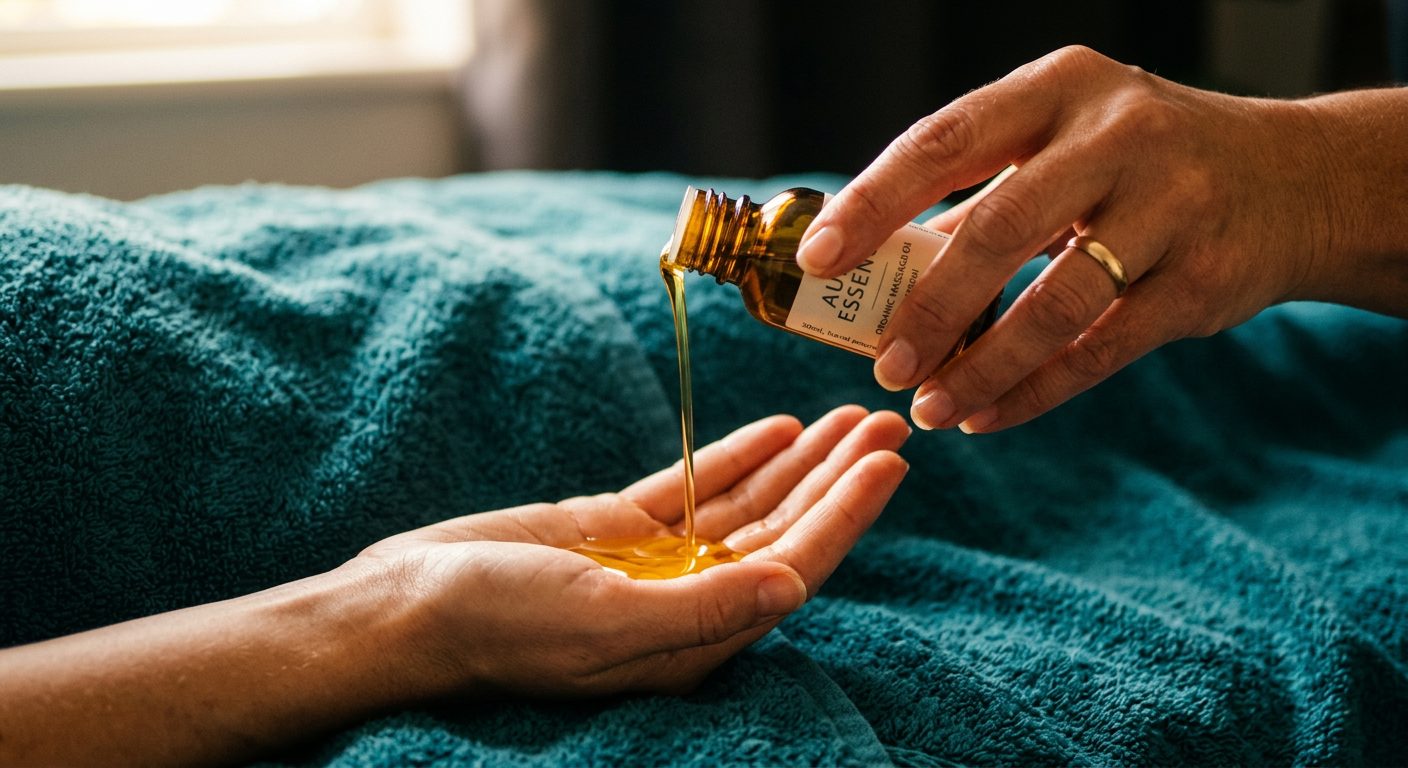

Massage oil poured onto the hands during a treatment
Illustrative image generated with AI

In brief

  • Painkillers reduce pain for as long as the active ingredient works, but they do not act on the cause of a muscle knot.
  • Massage works on muscle tension: it takes a few sessions, but the benefits tend to last longer.
  • Medicine and massage can go together: prescribed treatment should never be stopped without your doctor's advice.
  • Severe or persistent pain, or pain that started after an injury: see your doctor first, then consider massage.
  • Massage has contraindications too, for example venous thrombosis, ongoing anticoagulant therapy and pregnancy.

The medicines

How do painkillers work?

Painkillers are analgesic medicines: they are used to ease pain. Pharmacies stock many of them, including over-the-counter ones, for example those based on ketoprofen or ibuprofen, two active ingredients in the family of non-steroidal anti-inflammatory drugs (NSAIDs). How long the effect lasts depends on the active ingredient.

These medicines reduce pain, but they do not address its cause. If a muscle knot is behind it, the pain can come back when the effect wears off, and it is tempting to take another tablet, and then another.

Any medicine, even over-the-counter, should be used as the patient information leaflet says. If you find you need it often or for many days in a row, talk to your doctor or pharmacist: it is a sign not to ignore.

The typical case

Why does the pain come back when the effect wears off?

Take the two most common cases: neck pain and lower back pain. As soon as they feel the pain, many people first take a painkiller, convinced they have solved the problem.

Often, however, these pains are caused by muscle knots or poor posture held for a long time, for example at the computer. In these cases the painkiller gives temporary relief and after a few hours the pain returns, because the tension in the muscle is still there.

To break this cycle you need to understand where the pain comes from. If it is muscular, a professional massage practitioner experienced in muscle pain can find the area where the tension is concentrated. If the cause is unclear, or the pain does not feel like simple fatigue, the assessment is a matter for your doctor.

The massage

How does massage work on muscle pain?

Massage, when practised seriously and with a good knowledge of anatomy, works directly on tight muscles. With finger pressure on the points where tension builds up, the so-called trigger points, it helps to release muscle knots and can ease the pain they cause.

There are many techniques, but the goal is the same: find the area causing the discomfort and help the muscle regain its elasticity. At the Crigan Massaggi studio in Turin, for example, the deep tissue massage works on trigger points in the back, arms and legs, while the neck massage focuses on the neck and shoulders, with finger pressure and stretches.

Massage is not a medical therapy: it is a treatment that can bring relief and that, to be safe, must be performed by a trained professional and with due regard for contraindications.

How many sessions do you need?

Unlike a tablet, massage takes time: the number of sessions depends on the problem, your age and your lifestyle, and with massages that target pain at least 3 days should pass between sessions. You will find more answers in the frequently asked questions about massage.

Compared

Painkillers or massage: what are the pros and cons?

Here is an honest comparison of the two options for muscle pain. The advantages of massage are those described for the sports massage, the technique designed for the muscles of people who train.

Massage

Pros

  • Helps to release muscle knots and reduce muscle pain.
  • Aids recovery after exertion.
  • Helps prevent muscle injuries, if done regularly.
  • Also acts on the nervous system, with a feeling of well-being.
  • In athletes it helps keep muscles in shape and improve performance.

Cons

  • It takes several sessions and some time before you feel the benefits.
  • It is not suitable for every pain: if the cause is not muscular, you need a doctor.
  • It has contraindications, such as those listed for the deep tissue massage: osteoporosis, heart conditions, venous thrombosis, ongoing anticoagulant therapy and pregnancy.

The painkiller

Pros

  • Reduces pain quickly.
  • It is convenient: several active ingredients are also available over the counter.
  • It is useful when you need quick relief, as long as you follow your doctor's or pharmacist's advice.

Cons

  • Its effect is temporary and it does not act on the cause of a muscle knot.
  • Possible side effects, listed in the patient information leaflets and varying with the active ingredient: nausea, diarrhoea, skin rashes, headache, nervousness, depression, drowsiness, dizziness.
  • It has contraindications and possible interactions with other medicines: it should not be taken for long without your doctor's advice.

Safety

When is it better to see your doctor first?

Massage does not replace your doctor and is not meant to «cover up» a pain whose cause is unknown. See your doctor first if:

If you are already taking prescribed medicines, do not stop them on your own initiative: massage can complement the treatment and your doctor can tell you whether and when it is appropriate. When a more accurate assessment is needed, a consultation with a physiotherapist and a physiatrist is possible, thanks to Mihail Crigan's collaboration with Dr Oriano Casamenti of STUDIO RONEFOR.

In conclusion

So, painkillers or massage?

If you have pain in your back, neck or legs and think it is due to muscle knots, tiredness or posture, opening the medicine drawer is not the only option. If the pain is severe or does not go away, however, the first step is to see your doctor.

If it is muscle tension, consider a massage with a trained professional you trust: it does not replace medical care, but it can help release the tension behind the discomfort, with benefits that tend to last longer than the effect of a tablet.

Portrait of Mihail Crigan, sports massage practitioner at the Crigan Massaggi studio

Mihail Crigan's view

Sports massage practitioner, Crigan Massaggi

Mihail Crigan sees massage as the «green» alternative to painkillers, anti-inflammatories and ointments for muscular pain: massage takes longer to give results, but the benefits tend to last longer. It is a choice to discuss with your doctor, without interrupting prescribed treatment.

Ask Mihail for advice

FAQ

Frequently asked questions about painkillers and massage

Is a painkiller or a massage better for back pain?

It depends on the cause. If the back pain comes from muscle knots or poor posture, a painkiller gives relief for a few hours, while massage works on the muscle tension and its benefits tend to last longer. If the pain is severe, persistent or started after an injury, the first thing to do is see your doctor.

Can you have a massage while taking painkillers?

Generally massage and medicine can go together, but you should tell the massage practitioner which medicines you are taking and, if in doubt, ask your doctor. Ongoing anticoagulant therapy is among the contraindications of deep tissue massage. Prescribed treatment should never be stopped on your own initiative.

How many massage sessions do you need for muscle pain?

It depends on the problem, your lifestyle and your age. In Mihail Crigan's experience, people aged 18 to 40 who do sport usually need about 5 sessions, and people aged 40 to 65 about 10. With massages that target pain, such as deep tissue or neck massage, at least 3 days should pass between sessions.

How much does a massage for muscle pain cost at Crigan Massaggi in Turin?

At the Crigan Massaggi studio, at Via Monginevro 76/F in Turin, a 60-minute session costs 60 €, whichever massage you choose. Clients are seen by appointment only, booked on +39 334 858 8535, also on WhatsApp.

Google reviews

4,9 / 5

average of 222 reviews

What do Crigan Massaggi's clients say?

On Google, Crigan Massaggi in Turin has an average of 4,9 out of 5 from 222 reviews. They are public and can be read on the studio listing before you book.

Read reviews on Google

By appointment

Muscle pain? Book a massage in Turin

A 60-minute session costs 60 € at the Crigan Massaggi studio on Via Monginevro 76/F. Call or message Mihail Crigan to book an appointment.

Italiano English